

Design Phase Depth Breakdown

Scheme Design Phase
- Analyze project functions, management models, and funding conditions to determine the system architecture and equipment selection principles.
- Project overview, design basis, system architecture diagrams, key data center requirements, system configuration tables, and cost estimates.
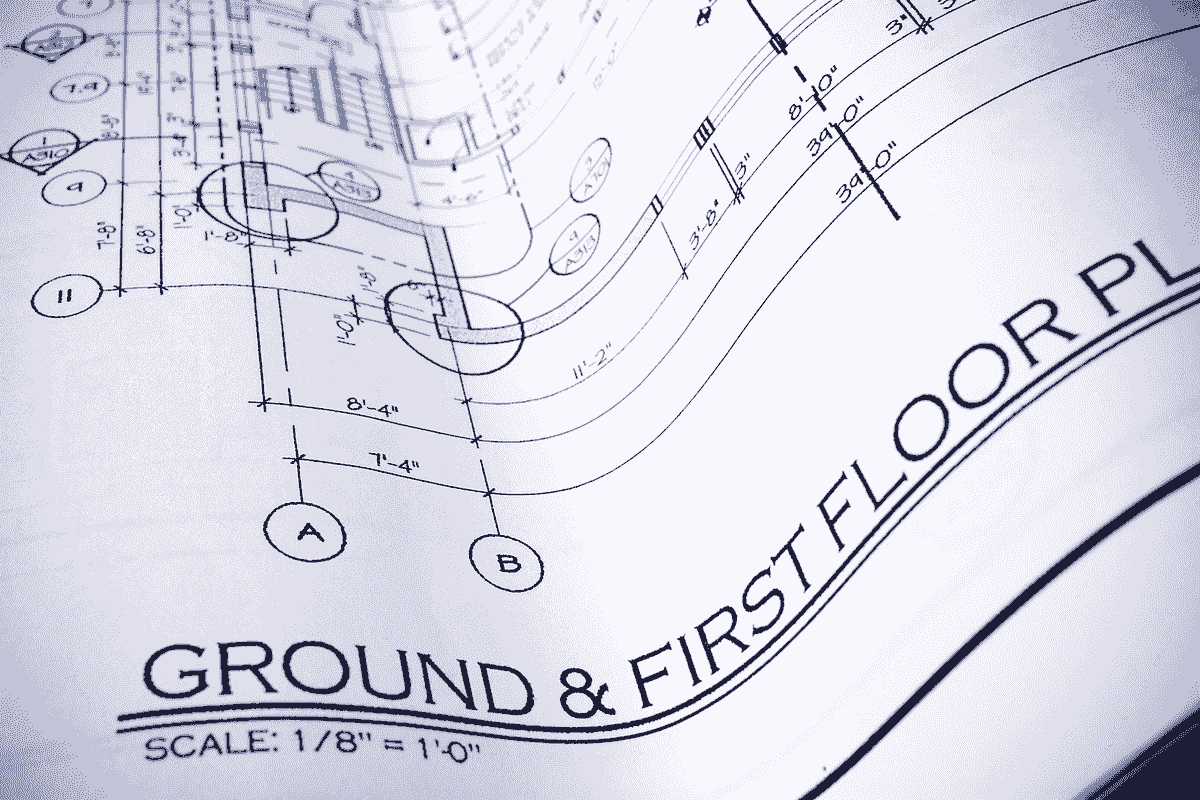
Preliminary Design Phase
- Verify the feasibility of the scheme, and clearly define the design scope and division of responsibilities.
- Design specification, system diagrams, equipment room layout schematics, device location floor plans, and system cost estimates.
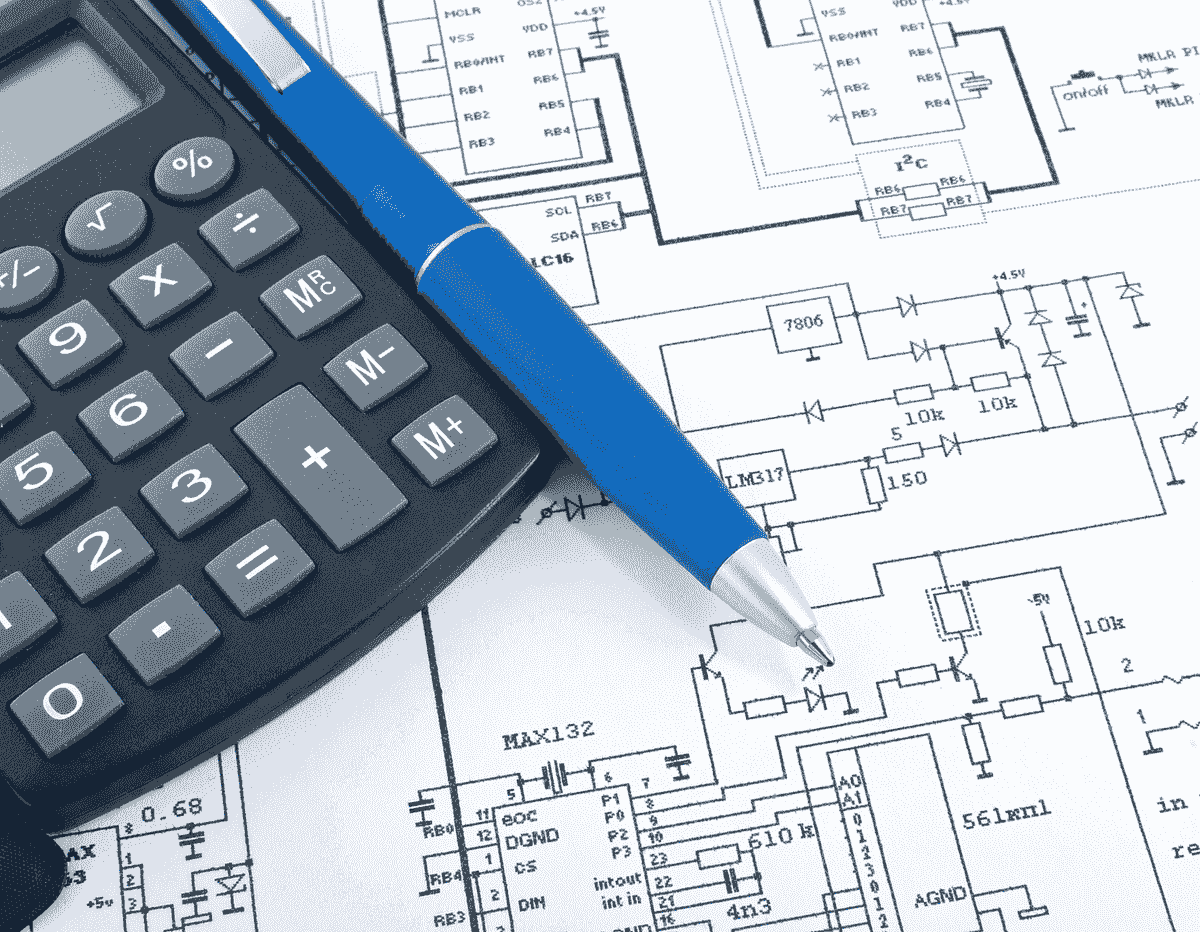
Construction Drawing Design Phase
- Meet the requirements for commercial quotation, construction guidance, and acceptance standards.
- Complete drawing index, schematic diagrams of each subsystem, master plan and system floor plans, detailed drawings of equipment rooms/ELV rooms, equipment installation detail drawings, device location schedule, and schedule of major equipment and materials.

Detailed Design Phase
- Finalize details based on the specifications of awarded equipment to meet procurement and non-standard fabrication requirements.
- Precise detailed drawings of equipment rooms/ELV rooms, integrated pipeline layout, IP address planning table, and equipment numbering and labeling system.
Core Subsystem Configuration Breakdown:
Physical Architecture

Information Facility System (IFS)
- Structured Cabling System: It is recommended to adopt Category 6 / Category 6A unshielded twisted pair (UTP) cables (supporting 10-Gigabit Ethernet), with single-mode fiber optics for the vertical backbone. More than 20% redundant information points shall be reserved.
- Computer Network System: It is recommended to adopt a three-tier architecture (Core - Aggregation - Access), implementing VLAN logical isolation (e.g., isolation among the security network, office network, and device network). Core devices must be equipped with redundant power supplies and engines.
- Wireless Coverage System: Adopt an AC + Fit AP architecture to support seamless roaming. Heat map simulation design is required for high-density areas (such as conference rooms and lobbies).

Public Security System
- Video Surveillance System: Front-end devices shall adopt 4MP+ starlight-grade IP cameras supporting H.265 encoding; facial recognition or panoramic cameras shall be deployed in key areas (entrances/exits and elevators); storage duration is recommended to be ≥30 days (≥90 days for critical areas).
- Intrusion Alarm & Electronic Guard Tour System: Perimeters shall adopt pulsed electronic fences or vibration fiber optics, while indoor areas shall adopt dual-technology detectors; the guard tour system is recommended to combine online and offline modes.
- Access Control All-in-One Card & Elevator Control System: Support for multiple authentication methods including facial recognition, QR code, and IC card; the system must be equipped with fire linkage function (automatically releasing access control locks upon fire alarm).
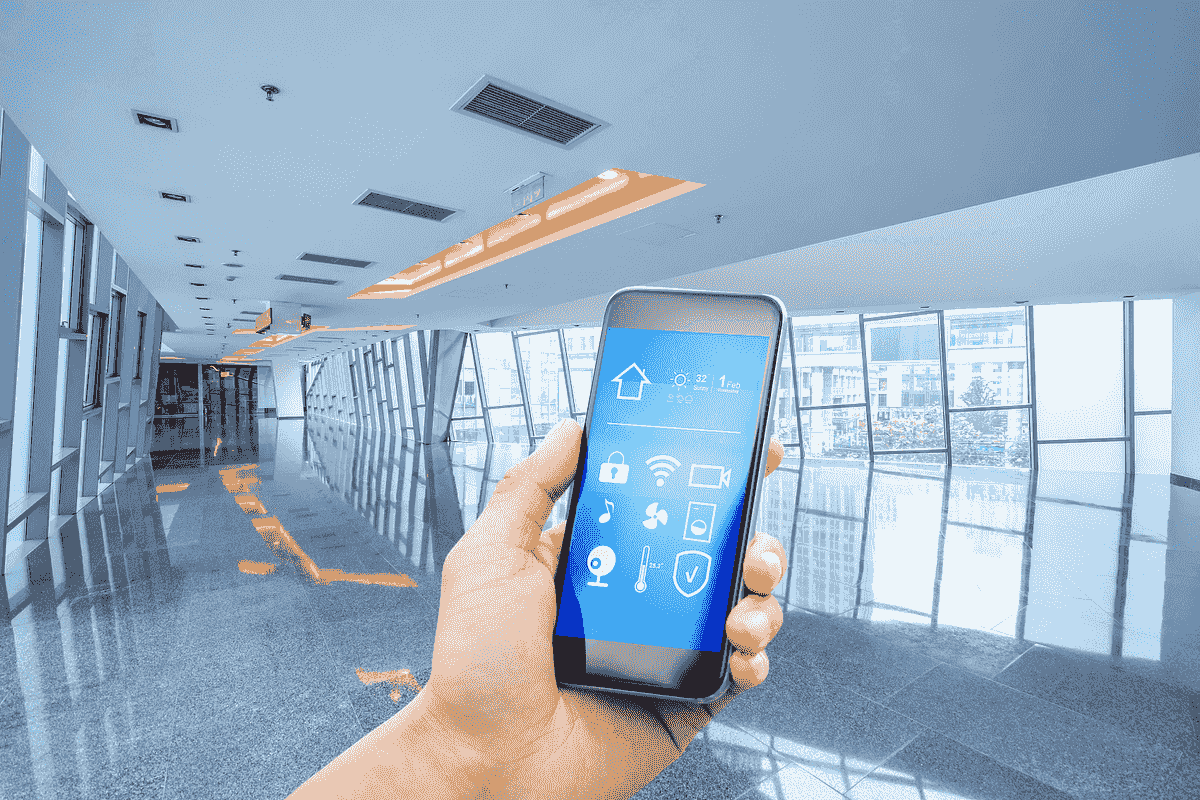
Building Equipment Management & Green Energy Efficiency
- Building Automation System (BAS): Perform real-time monitoring and PID regulation for chillers/heat sources, air handling units (AHUs), fresh air units (FAUs), water supply and drainage pumps, and power distribution systems.
- Smart Lighting System: Public areas shall adopt a "time scheduling + motion sensing + illuminance-based" control strategy; underground garages shall deploy radar-sensing luminaires.
- Energy Management System (EMS): Remotely collect data from water, electricity, and gas meters; generate energy consumption reports and carbon footprint analysis to support energy-saving decision-making.
Data Center Engineering
- Decoration & Environment: Anti-static raised floor, micro-perforated aluminum ceiling panels, and thermal insulation cotton treatment; precision air conditioners shall be configured to maintain constant temperature and humidity.
- Power Distribution & Lightning Protection: Dual utility power input, equipped with online UPS (backup time ≥ 2 hours); comprehensive lightning protection and grounding system (grounding resistance < 1Ω).


