- ABOUT
- …
- ABOUT
- ABOUT
- …
- ABOUT
ELV Construction and Acceptance
The ELV infrastructure construction project is required to meet high-concurrency network demands and industrial-grade security standards, ensuring 7×24 hours of stable operation for both production and office networks. Encompassing structured cabling, video surveillance, access control systems, and wireless AP coverage, the project spans multiple core production workshops and modern office areas across a vast construction footprint. It must be delivered on schedule to high standards without disrupting the plant's normal production operations, ultimately achieving seamless integration and smooth evolution between the ELV systems and the existing IT architecture.
Procurement Material Management and Supply Chain Assurance
1Core cabling utilizes premium-brand twisted-pair cables and optical fibers. Prior to site entry, all materials must undergo strict verification of original factory certificates of compliance and anti-counterfeiting labels, thereby eliminating the risk of substandard cables entering the construction site.
2Cabinets, cable trays, and auxiliary materials are subject to centralized procurement strictly in accordance with the BOM list. By optimizing logistics scheduling, the material delivery lead time is reduced by 15%, effectively ensuring the continuity of on-site construction.
3A dedicated temporary site warehouse is established to implement classified and zoned storage with strict temperature and humidity control. Special protective measures are adopted for precision network equipment and moisture-sensitive fiber optic splicing trays, effectively reducing the material loss rate.
On-site Construction and Standardized Cabling
Cabling Installation Workmanship and Quality Control
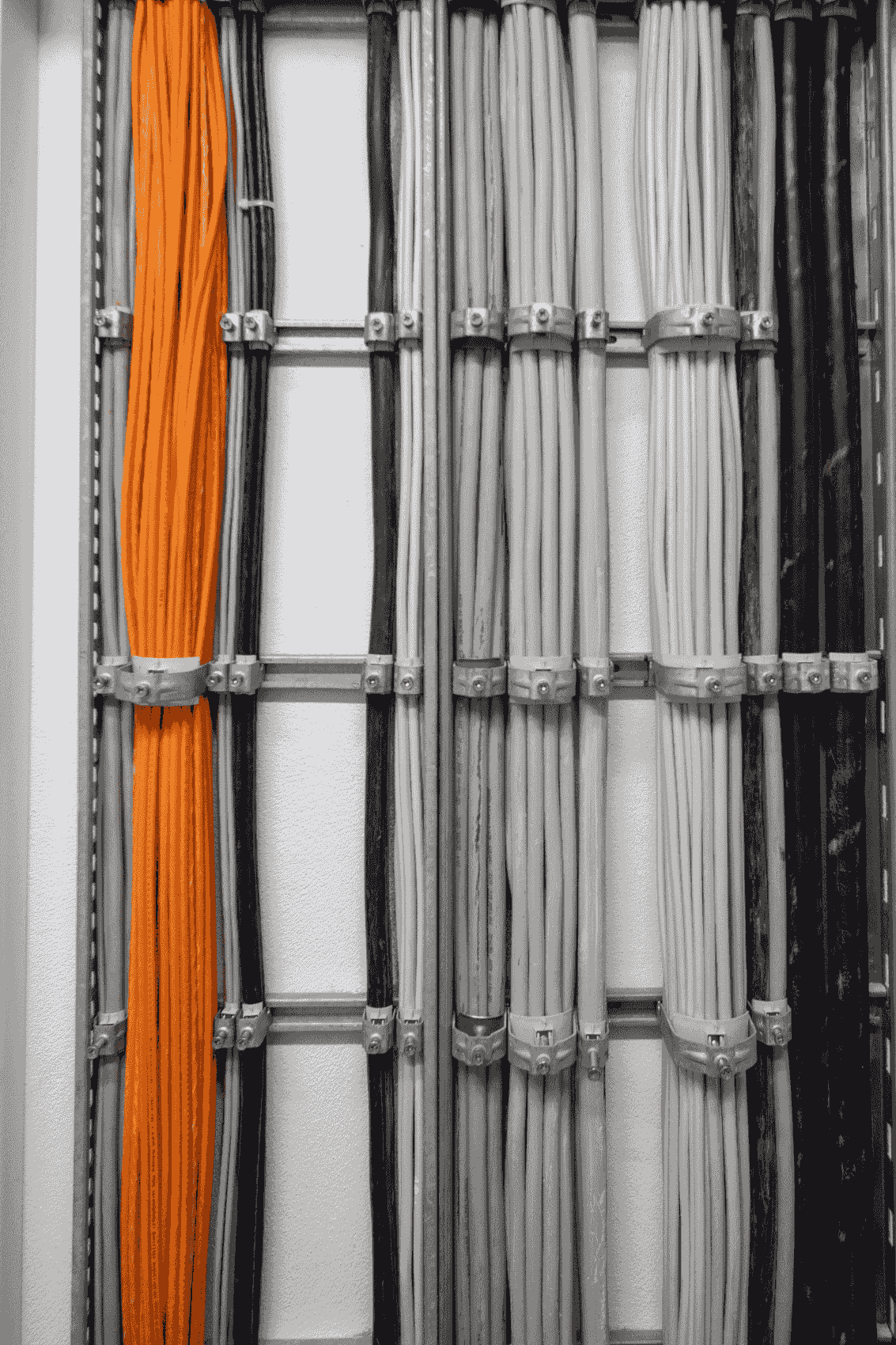
Separation of high and low voltage
Strictly adhere to the specification that the parallel spacing between high and low voltage cable trays must exceed 30cm. Metallic partitions are installed at crossing points for shielding, thoroughly eliminating the hidden risks of electromagnetic interference (EMI) at the physical layer.
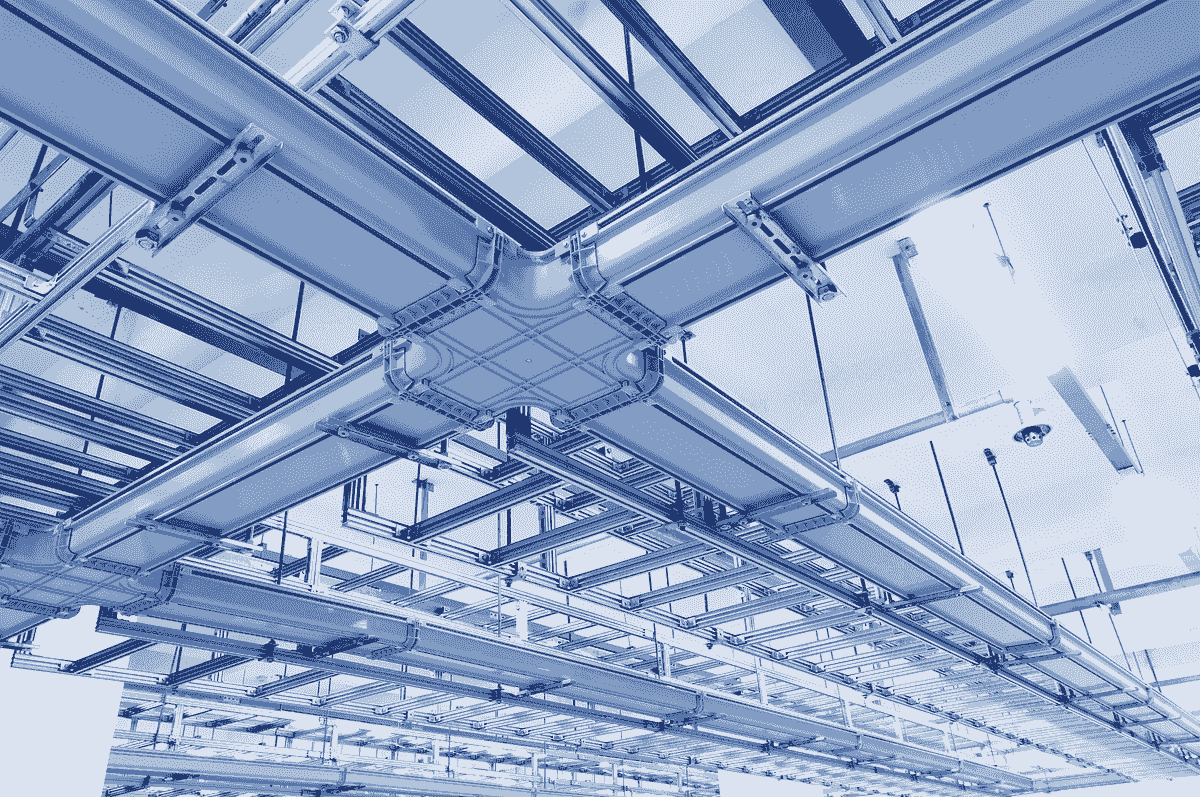
Fully enclosed conduit
For conduit installation within the ceiling plenum, fully enclosed galvanized steel conduits are adopted. Dedicated conduit benders are utilized at bends to strictly ensure the required bending radius, thereby guaranteeing smooth and unobstructed cable replacement during future maintenance.
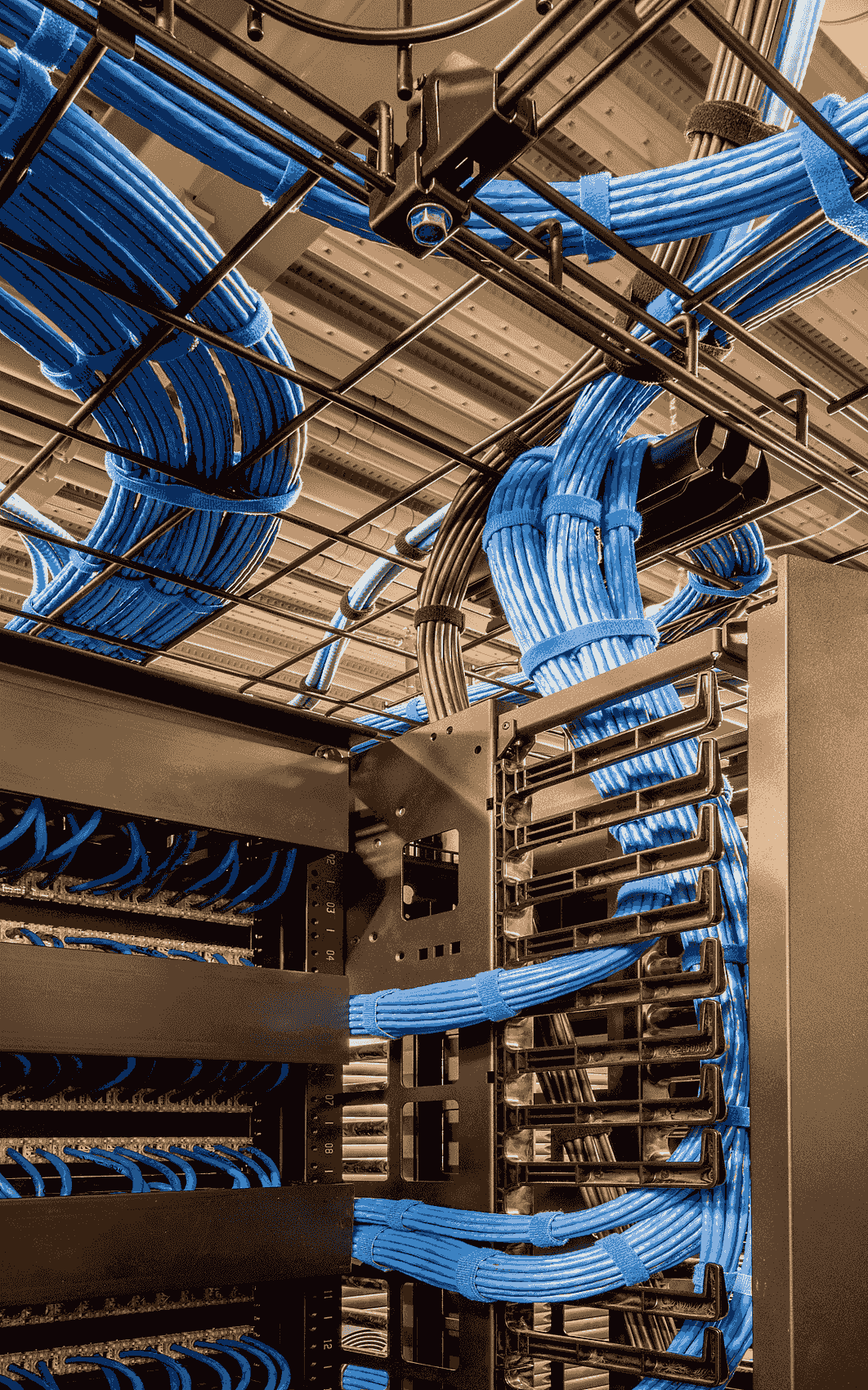
Precise Traction
During the cable pulling process, tension and bending radius (not less than 8 times the outer diameter of the cable) are strictly controlled to avoid damage to internal conductors or rupture of the insulation layer.
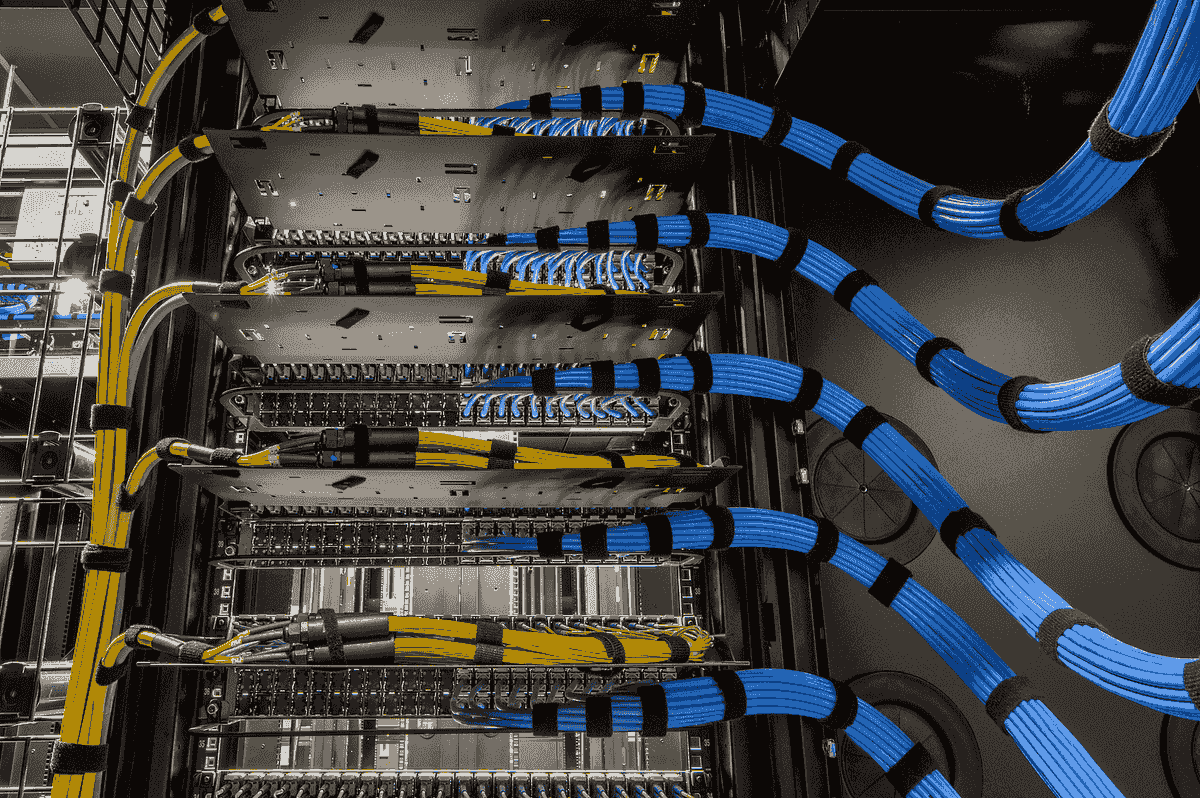
Flexible Tying
Appropriate slack length is reserved at both the cabinet end and the workstation end. Grouped bundling is performed using Velcro straps, while traditional plastic cable ties are strictly prohibited to prevent crushing or damaging the cable outer jacket.
Labeling, Documentation Management, and Standardized Delivery
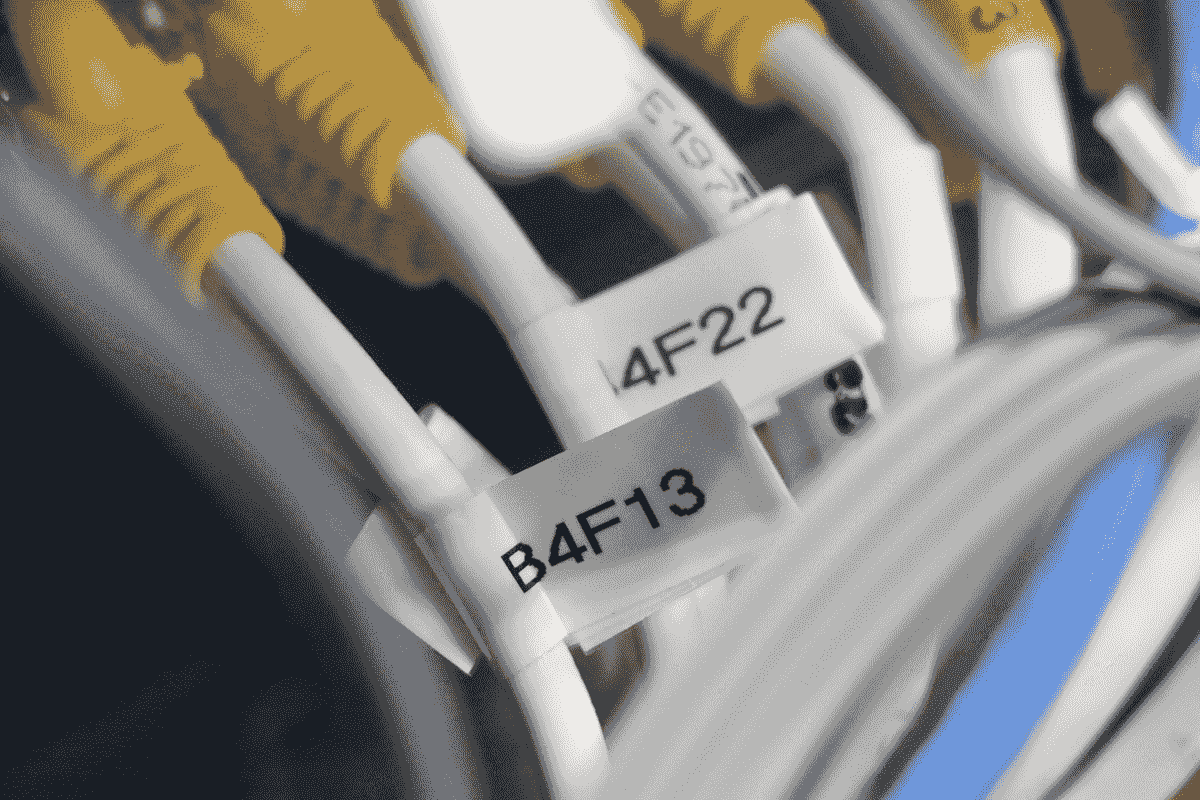
Dual-end machine-printed labeling system
Waterproof and tear-resistant machine-printed labels: All information panels, patch panel ports, and both ends of cables shall be affixed with waterproof and tear-resistant machine-printed labels.
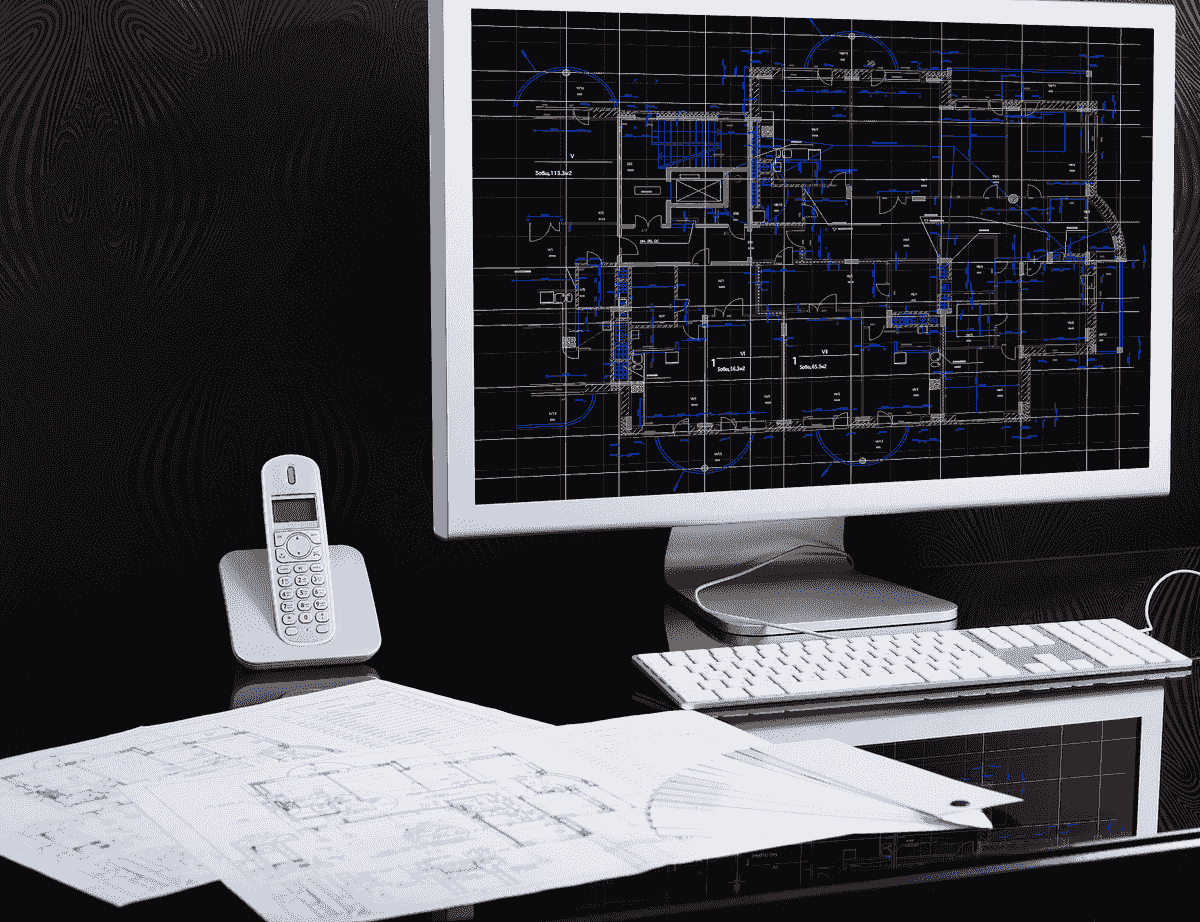
Synchronous update of as-built drawings
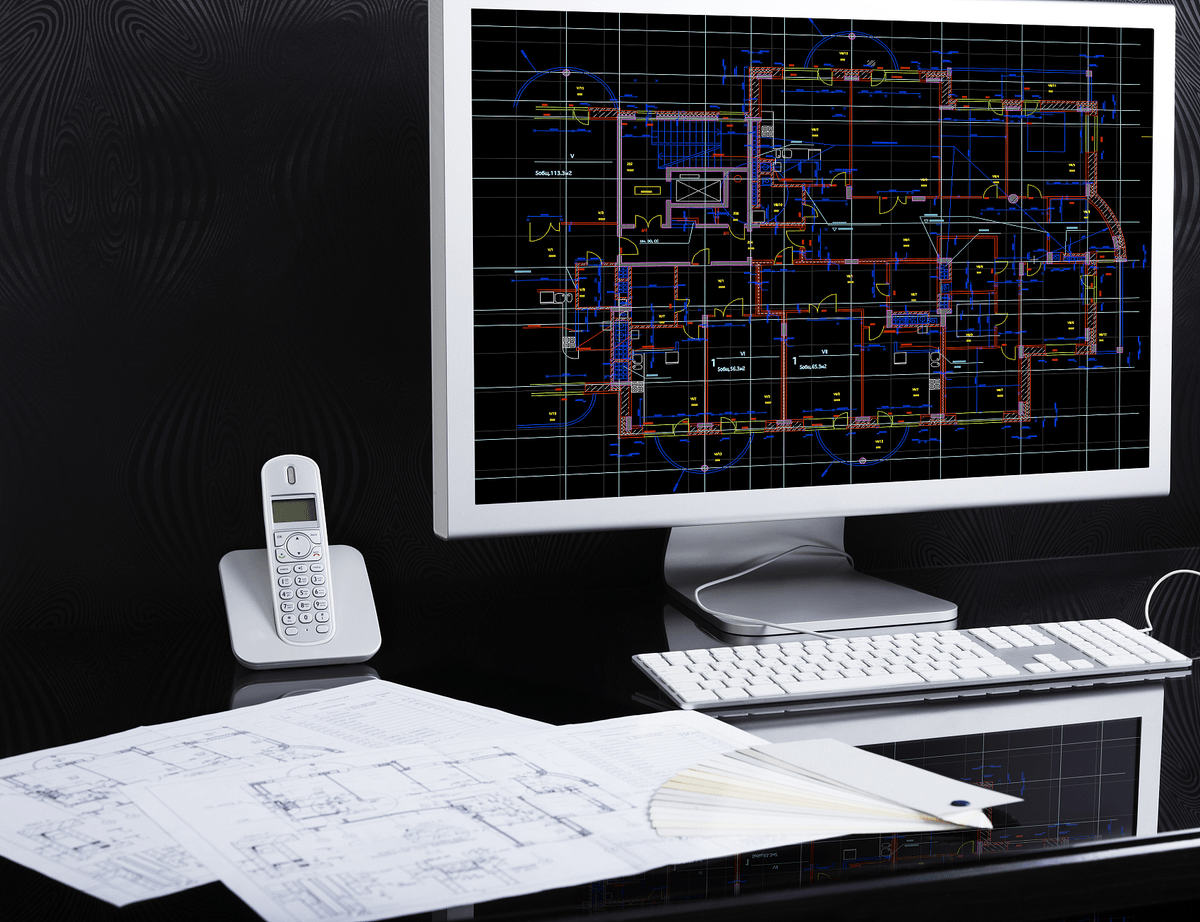
Precise CAD Recording: During the construction process, CAD technology is utilized to accurately record the routing of concealed conduits and pipelines, the actual installed locations of equipment, and cable pathways.

Dual-track archiving of process documentation
Dual-track parallelism of electronic and hard-copy formats: Process documentation, including material inspection submissions, concealed works acceptance records, and test reports, shall be archived in both electronic and hard-copy formats.
Equipment Installation and Testing & Acceptance
Core Equipment Installation and System Commissioning
Meticulous Installation
Based on the detailed design drawings, complete the precise placement of core server room equipment, front-end sensing devices, and transmission links. Emphasize strict control over cabinet cable management, labeling, power redundancy, and lightning protection grounding to ensure high availability of the hardware infrastructure.
Comprehensive Commissioning
Execute a three-tier commissioning process of "Single-Unit → Subsystem → Total Integration"
- Basic Commissioning: Complete device power-on self-test, firmware upgrade, and IP address planning to ensure both physical and network links are operational.
- Functional Commissioning: Conduct item-by-item verification of core functions such as video surveillance, access control & alarm, and BA (Building Automation) control, and calibrate device parameters to their optimal state.
- Integrated Linkage Commissioning: Break down data barriers between weak current subsystems and validate cross-system linkage strategies (e.g., fire alarm triggering access release and video pop-ups) to ensure a closed-loop system logic.
System Testing and Final Acceptance Deliverables

100% Fluke Certification Testing

Wireless Coverage Verification

Site Walkthrough

Documentation Handover and Training
Shanghai Office: No. 7735, Fang Huang Road, Anting Town, Jia Ding District, Shanghai, China
Beijing Office: 108 Redbud Comprehensive Service building of Tsinghua University, Haidian District, Beijing, China
Email: info@cemtek.com.cn Tel: 86 21 20436166
Copyright © 2020 CemTek Computer Solutions All Rights Reserved